

The Buyer Changed the Deal Before Closing. What Should You Do?
Signing a letter of intent is an important milestone in a business sale, but it is not the closing. Between the LOI and the final ...

How Fast Can Your Business Really Grow? Understanding the Constraints on Growth
Business owners naturally want to grow. More customers, more revenue and a larger market presence usually signal that a company is moving in the right ...
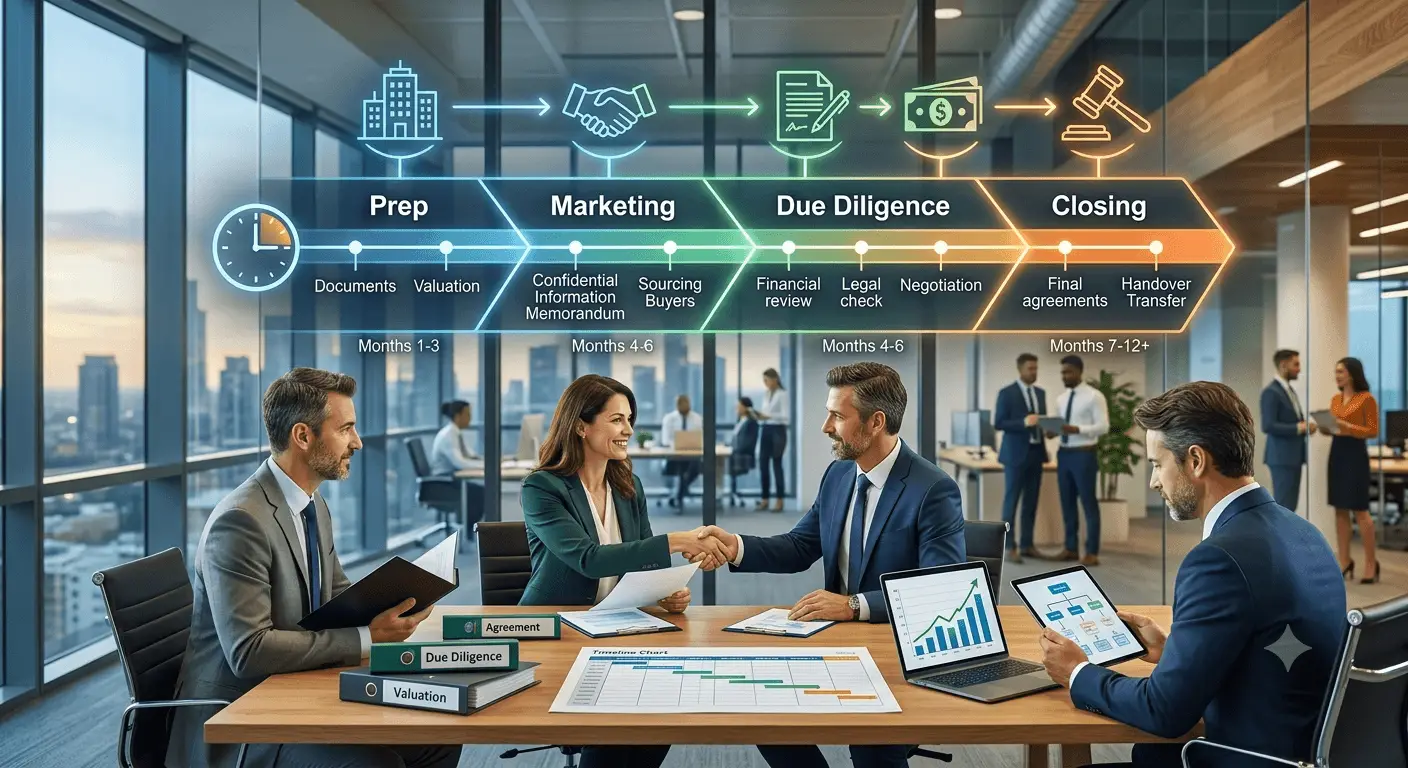
How Long Does It Take to Sell a Business? Understanding the Process Behind the Timeline
One of the first questions business owners ask when considering a sale is, “How long does it take to sell a business?” The honest answer ...

The Cost of Waiting: How Timing Can Impact Business Value
Every business owner wants to maximize the value of their company before selling. It’s natural to think, “If I can grow the business for another ...

Why Buyers Care About Management More Than Sellers Expect
Many business owners assume buyers are primarily purchasing revenue, earnings, and growth potential. While those factors certainly matter, experienced buyers are often focused on a ...
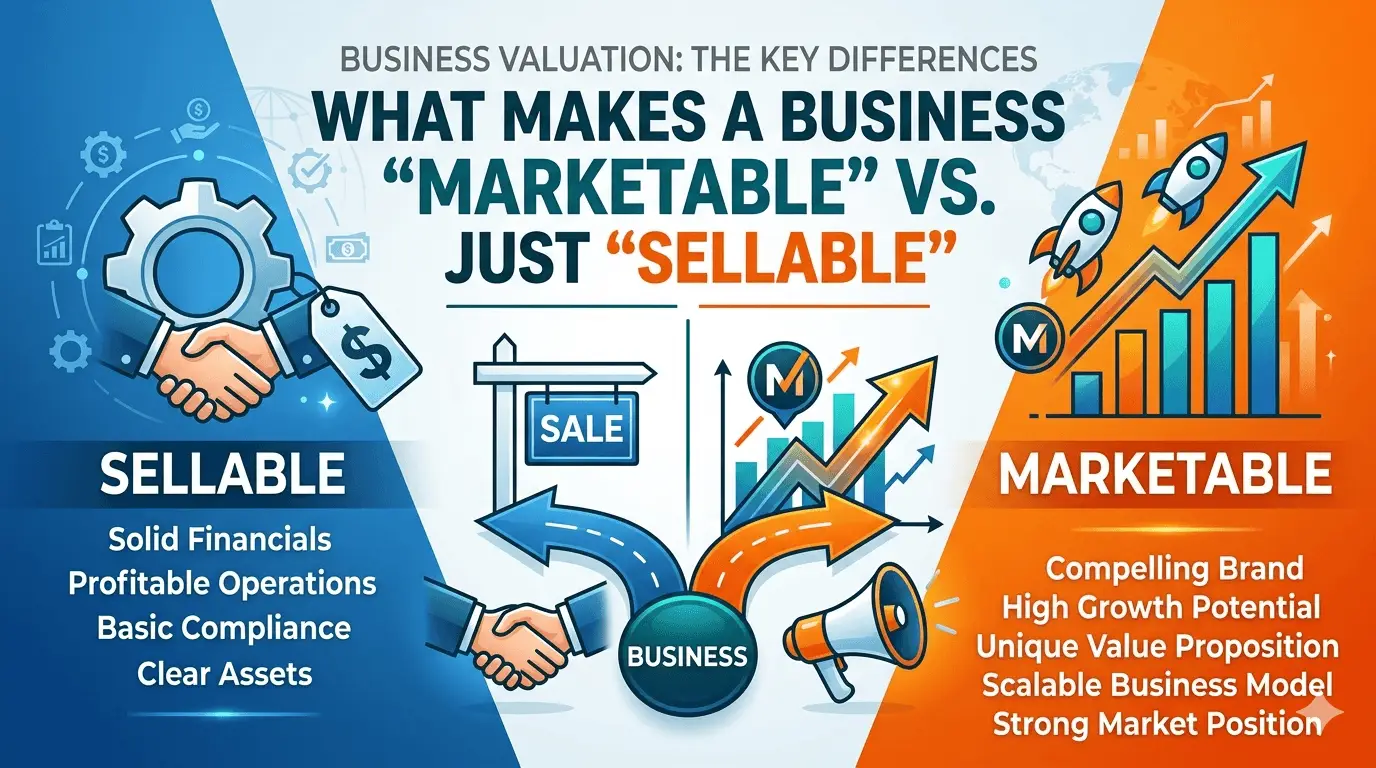
What Makes a Business “Marketable” vs. Just “Sellable”
Most profitable businesses are sellable. Far fewer are truly marketable. A business can be profitable and still struggle to attract strong buyer interest. The question ...